Osteosarcoma is considered the prevalent type of primary bone cancer. It develops within the cells, mostly in the long bones of limbs or in the area of the knee joint. It is most common in teenagers and young people but can happen at any age. The cancer starts in immature bone cells, resulting in the formation of bone that grows faster than normal.
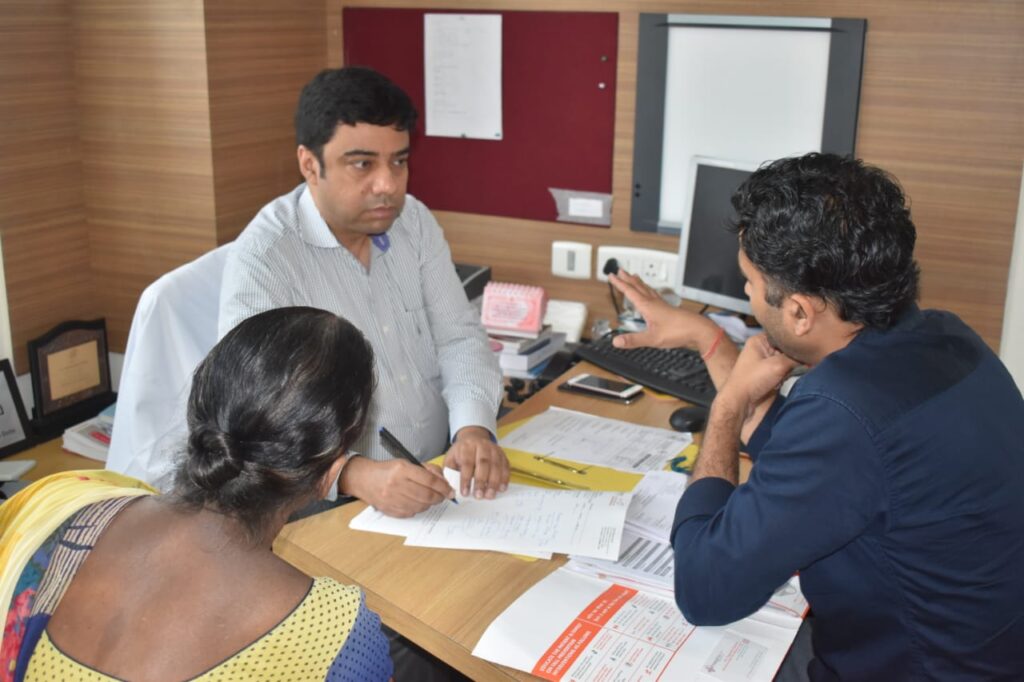
Osteosarcoma is a rare and highly malignant tumor of bone tissue. For a correct diagnosis and efficient treatment, it is necessary to begin treatment as soon as possible. If you or a family member is looking for a specialist, then seeking help from an osteosarcoma cancer specialist in Delhi like Dr. Kumardeep Dutta Choudhury will be helpful.
Signs and Symptoms of Osteosarcoma
It is important to diagnose osteosarcoma at an early stage because a late diagnosis will reduce the chances of effective treatment. Here are the common symptoms to watch for:
Persistent Bone Pain
The pain is initially low and gradually increases over time. It may worsen at night or after an activity requiring the use of the affected joint.
Swelling or Lump Formation
Tenderness, pain in the area of the involved bone, edema, or a mass may be appreciated.
This is normally linked with affection and care.
Reduced Mobility
The patients may not be able to move the affected limb freely, especially when the tumor is close to a joint.
Bone Fractures
They may have fragile bones as a result of the cancer, which makes them prone to fractures with little or no cause.
Fatigue and Weight Loss
When in advanced stages, these cancers have some non-specific manifestations that could be difficult to explain, such as fatigue, weight loss, and fever.
Osteosarcoma is a complex condition that needs appropriate management by an osteosarcoma cancer doctor in Delhi who combines medical knowledge with best practices.
Treatment Options for Osteosarcoma
Multimodal therapy, including surgery, chemotherapy, and sometimes radiotherapy, is used in the management of osteosarcoma.
Surgery
Limb-Sparing Surgery: This is the most frequent type of surgery in which the tumor and part of it are removed without amputating the limb. If the bone is used as graft material, a prosthetic or a bone graft may fill the gap left by the excised bone.
Amputation: In/from the advanced stages, if walking is impossible due to the tumor location and size, limb-sparing surgery may be replaced by amputation.
Rotationplasty: An amputation surgical subtype that provides the possibility of prosthetics and increased productivity after the partial loss of a limb.
Chemotherapy
Chemotherapy entails using cytotoxic medications whose main function is to eliminate cancerous cells. It may be prescribed to be given prior to surgery (neoadjuvant treatment) in order to reduce the size of the tumor or after surgery (adjuvant treatment) to eliminate any leftover cancer cells.
Radiation Therapy
As mentioned earlier, radiation therapy is not frequently used in osteosarcoma but can be used in case the patient is not eligible for surgery or in case surgery can’t be done in an affected area.
Targeted Therapy
The new therapeutic strategies are based on the actual treatment of cancer cells, which is eliminating them or inactivating the genes and proteins that cause the development of cancerous cells. The targeted therapy approach allows them to have minimal effects on healthy cells.
Rehabilitation and Support
As if that is not enough, patients need physical therapy and psychological help to get them back on their feet and be strong again.
Dr. Choudhury, a popular osteosarcoma cancer specialist in Delhi, is highly skilled in treating this disease. His patient-focused focus guarantees his delivery of individualized care, new therapeutic technologies, and empathy throughout the therapy process.
As to the cause, although not certain, genetic mutations, growth spurts that occur in adolescence, or inherited conditions, such as Li-Fraumeni syndrome, are likely to develop the condition.
Osteosarcoma is one of the most treatable malignant neoplasms in the body if diagnosed in its early stages. Surgery and chemotherapy have received a facelift and improved patients' lifespans, especially for local tumors.
In diagnostics, an X-ray, MRI test, or CT scan is used to identify lymphoma in a person’s body, and then a biopsy is done to see if the lymph nodes are cancerous and the extent of cancerous cells.
Some of the side effects include fatigue, nausea, hair loss due to chemotherapy, and short-term mobility problems after surgery. It is necessary to see an osteosarcoma cancer doctor in Delhi if the signs continue to appear.
The survival rate depends on the stage of diagnosis. However, for localized osteosarcoma, the survival rate in the first five years is between 70 and 75 percent for all stages of the disease, but it reduces when the cancer has reached other parts of the body.
Cancer
Lorem Ipsum is simply dummy text of the printing and typesetting industry. Lorem Ipsum has been the industry’s standard dummy text ever since the 1500s, when an unknown printer took a galley of type and scrambled it to make a type specimen book. It has survived not only five centuries, but also the leap into electronic typesetting, remaining essentially unchanged. It was popularised in the 1960s with the release of Letraset sheets containing Lorem Ipsum passages, and more recently with desktop publishing software like Aldus PageMaker including versions of Lorem Ipsum.