The blood and bone marrow—spongy tissue inside the bones, where blood cells develop—are the areas where this cancer starts (often from white blood cells). It alters the balance of blood production, resulting in the production of antibodies and strange-looking white blood cells that affect the body’s capacity to fight infections, transport oxygen, or prevent blood loss.
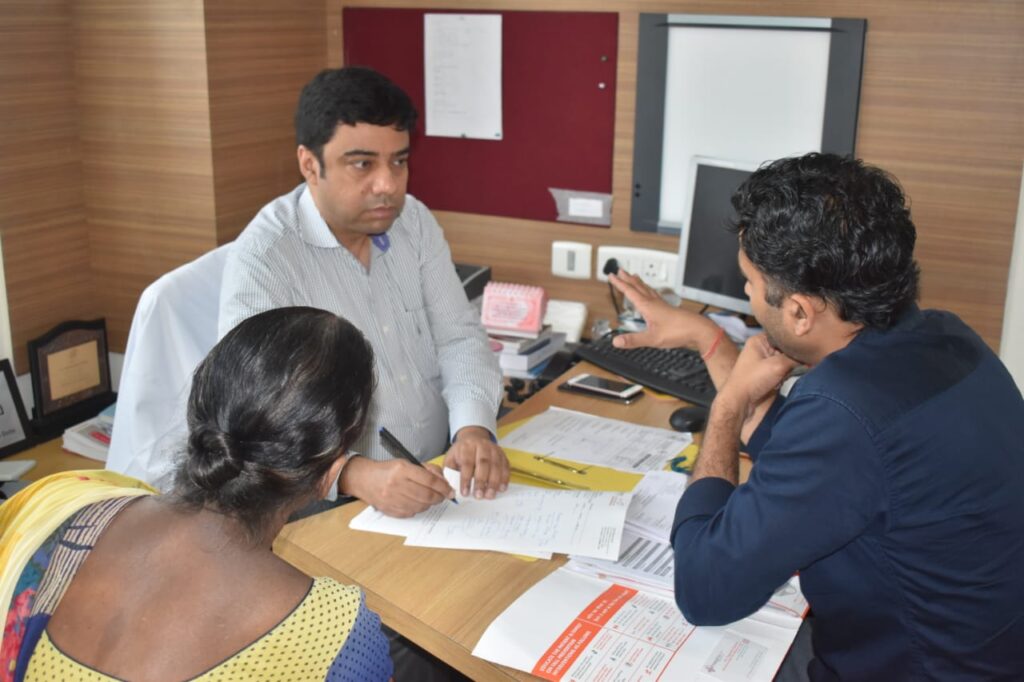
It requires proper diagnosis and treatment by an experienced Leukemia cancer specialist in Delhi if you or your loved ones are struggling with leukemia. Dr. Choudhury is an experienced leukemia oncologist in Delhi who uses top-notch treatment techniques combined with a lot of patience.
What is Leukemia?
Leukemia is classified as a cancer of the blood-making cells, which are found in the bone marrow as well as the lymphatic system. It is classified into four major types:
Acute Lymphoblastic Leukemia (ALL): Fast-growing and frequent in kids.
Acute Myeloid Leukemia (AML): It is more common in adults and is more aggressive.
Chronic Lymphocytic Leukemia (CLL): Develops gradually and may be prevalent in the elderly.
Chronic Myeloid Leukemia (CML): Continues to worsen but may become worse kind.
Symptoms of Leukemia
Symptoms vary depending on the type of leukemia but may include:
Fatigue and Weakness: Because of anemia, there are no red blood cells in the body.
Frequent Infections: Presenting due to the absence of the normal type of white blood cells.
Bruising or Bleeding Easily: Due to thrombocytopenia or low platelet count.
Unexplained Weight Loss: This is usually noticed in patients with high severity of leukemia.
Bone or Joint Pain: This is caused by the congestion of cancer cells in the bone marrow area.
Swollen Lymph Nodes, Liver, or Spleen: This is a sign that the infection has advanced to another level.
Fever and Night Sweats: Extremely frequent in its acute form and rather often encountered in chronic form.
Persistent Nosebleeds or Gum Bleeding: Possibly, this is a manifestation of impaired platelet function, which is evident when the number of platelets decreases.
If you are suffering from any of these symptoms, seeking advice from a specialized leukemia cancer doctor in Delhi will be useful because he/she will get you tested early enough to check for the disease.
Leukemia Treatment Options
There is no standard treatment for leukemia, so the treatment plan varies based on the type and stage of the disease, the patient’s age, and the patient’s overall health. Common treatment approaches include:
Chemotherapy
Chemotherapy, treatment with drugs that destroy leukemia cells, is the most common treatment for leukemia. It might also be administered in cycles so that healthy cells can recover between treatments.
Radiation Therapy
High-energy X-rays kill or shrink cancer cells or swollen organs like the spleen. Other treatments, such as chemo or immunotherapy, are often combined with them.
Targeted Therapy
It looks at the genes, proteins, and tissue environment that help leukemia cells to grow.
Specifically, Tyrosine kinase inhibitors are very effective in CML.
Stem Cell or Bone Marrow Transplant
It is a procedure whereby a donor replaces diseased cellular marrow with healthy cellular stem cells. It’s usually used for advanced or aggressive leukemia.
Immunotherapy
It taps the patient’s immune system to fight cancer cells. Certain types of leukemia are potentially curable by CAR-T cell therapy.
Watchful Waiting
Treatment for slow-progressing leukemias, such as CLL, may not be necessary right away. Symptoms are monitored regularly until they get worse.
Powered by advanced technologies and innovative treatments, Dr Kumardeep Dutta Choudhury, a well-known leukemia cancer specialist in Delhi, offers their patients the best care for leukemia patients.
The cause of leukemia is not known, but it may be caused by genetic mutations, radiation or chemical exposure, smoking, or a family history of blood cancers.
Usually, results of blood tests (CBC), bone marrow biopsy, and imaging studies (CT or MRI scans) are used to diagnose leukemia. They tell what type of leukemia is and how advanced it is.
Chronic leukemia is not curable but is treated effectively with long-term treatment of this disease. Acute leukemia can be cured often if treated early.
Factors that increase the risk include being over the age of 60, a history of blood disorders, exposure to carcinogenic substances, and certain genetic syndromes, such as Down syndrome.
There are not many different causes of leukemia, most of which are not inherited, but leukemia is somewhat more likely if a family member has had it.
Cancer
Lorem Ipsum is simply dummy text of the printing and typesetting industry. Lorem Ipsum has been the industry’s standard dummy text ever since the 1500s, when an unknown printer took a galley of type and scrambled it to make a type specimen book. It has survived not only five centuries, but also the leap into electronic typesetting, remaining essentially unchanged. It was popularised in the 1960s with the release of Letraset sheets containing Lorem Ipsum passages, and more recently with desktop publishing software like Aldus PageMaker including versions of Lorem Ipsum.