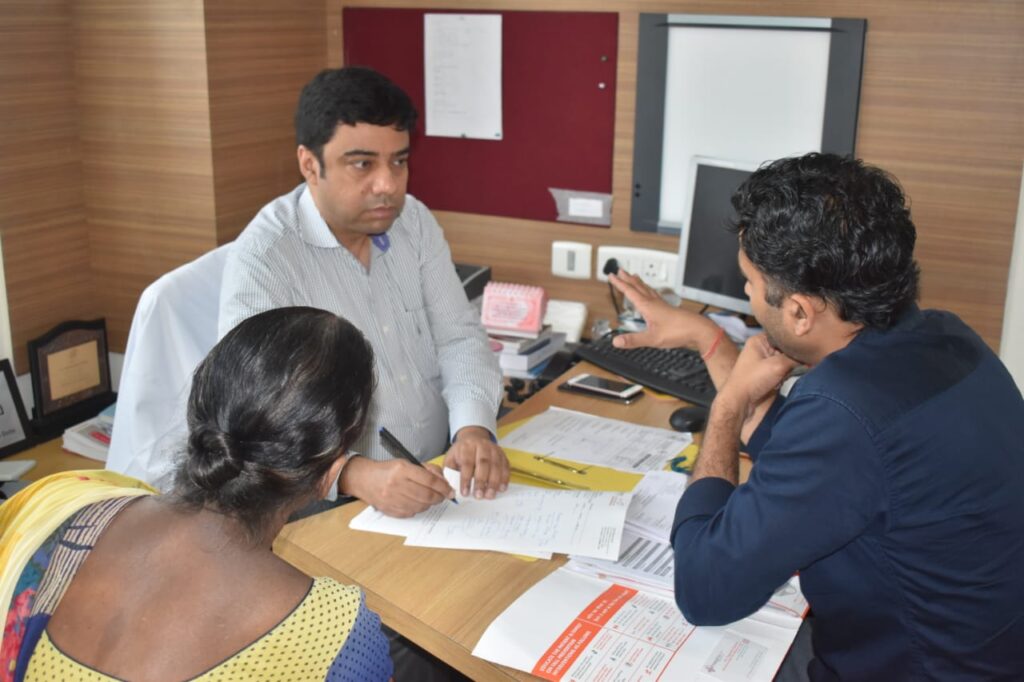
Unlike hard tissue sarcoma, soft tissue sarcoma is a body tissue cancer where tumors form in the soft tissues, including muscles, fat, nerves, blood vessels, and tendons. It can affect any body part, although it is usually located in the limbs, abdomen, chest, arm, or leg. Even though this cancer type is not very common, it tends to be somewhat invasive if diagnosed and treated late. One should see the right doctor or soft tissue sarcoma cancer specialist in Delhi since getting the right diagnosis matters.
Signs and Symptoms of Soft Tissue Sarcoma
There are some early signs and symptoms of soft tissue sarcoma, which, if recognized early enough, will greatly benefit the lives of affected individuals. Symptoms may vary depending on the tumor’s location and size but often include:
A Lump or Swelling
This is often asymptomatic or initially manifests as painless. A tumor can also cause irritation of nerves or organs as the cancer continues to expand or grow.
Pain or Tenderness
A tumor that affects nearby nerves, muscles, or organs through mechanical pressure can be discomforting. Painful masses are commonly observed in the later stages of the disease.
Limited Range of Motion
Sarcomas near joints may present further by causing stiffness on the joint or the part where the movement is restricted.
Abdominal Discomfort
The disease may cause swelling in the abdominal cavity, vomiting, or pain.
Fatigue
Excessive fatigue for no apparent reason may indicate some health problems, including sarcoma.
If you develop or manifest any such symptoms persistently or if the symptoms are, as per your case, unusual, then you must seek medical help from the soft tissue sarcoma oncologist in Delhi.
Treatment Options for Soft Tissue Sarcoma
Treatments regarding the management of soft tissue sarcoma vary depending on the tumor type, size, location, and stage. Here are the primary treatment options:
Surgery
Surgery is the primary method of treatment and usually takes the form of tumor resection.
Wide Local Excision: Surgery is the process through which the tumor and an extra layer around it, which is absolutely healthy, are removed to decrease the likelihood of reappearance.
Limb-Sparing Surgery: In limb-associated tumors, surgeons try to spare most of the limbs’ functions while resectioning the tumor.
Amputation: Infrequently considered but may be required when the tumor is large and cannot be excised in any other way.
Radiation Therapy
Radiation exposes the body to high-energy rays that kill cancerous cells, and it is usually used in surgery.
Pre-Surgery Radiation: Reduces the size of the tumor to enhance the possibility of surgically removing it.
Post-Surgery Radiation: Eradicates any cancer cells that may have been left behind after surgery and lowers the chances of a cancer coming back.
Chemotherapy
Chemotherapy employs drugs intending to doze off cancer cells and is useful in cases like rhabdomyosarcoma.
Systemic Chemotherapy: Given through the vein to affect cancer cells wherever they may be in the body.
Localized Chemotherapy: Used in specific body parts to avoid complications.
Targeted Therapy
Targeted therapy drugs act precisely on proteins or genes that are crucial to the growth of cancer cells. Some sarcomas have special genetic markers and, therefore, require special medications such as imatinib, which are prescribed for gastrointestinal stromal tumors (GIST).
Immunotherapy
Immunotherapy is a treatment that assists the body in detecting and having defense mechanisms against cancer cells. This is especially important in the Stage IV diseases.
No two patients are similar, and each patient’s treatment plan was designed by a soft tissue sarcoma cancer doctor in Delhi to ensure the most effective result. To get detailed treatment and enhanced care, consult Dr. Kumardeep Dutta Choudhury, the best softtissue sarcoma specialist in Delhi who specializes in managing difficult cancer cases using modern techniques.
General survival rates depend on the cancer stage, location, and reaction to treatment. When the disease is detected early, the treatment results are improved.
So, the patient needs to consult a well-experienced soft tissue sarcoma cancer specialist in Delhi to get the right diagnosis and accurate treatment plans.
Cancer
Lorem Ipsum is simply dummy text of the printing and typesetting industry. Lorem Ipsum has been the industry’s standard dummy text ever since the 1500s, when an unknown printer took a galley of type and scrambled it to make a type specimen book. It has survived not only five centuries, but also the leap into electronic typesetting, remaining essentially unchanged. It was popularised in the 1960s with the release of Letraset sheets containing Lorem Ipsum passages, and more recently with desktop publishing software like Aldus PageMaker including versions of Lorem Ipsum.